Elf Font: Modern Branding Made Easy
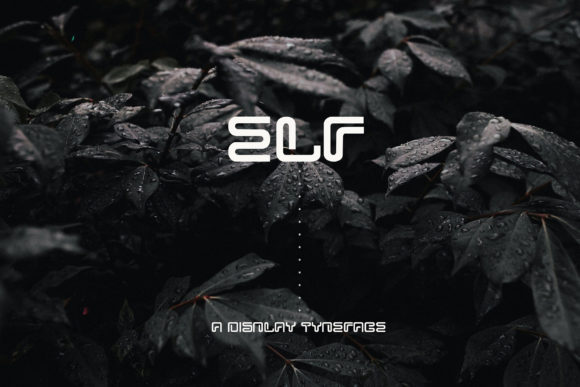
As a small business owner, I know how important it is to create a brand that feels professional and consistent. One of the simplest yet most impactful tools for this is choosing the right font. That’s where Elf comes in. This modern display font has become a go-to for adding a cool, futuristic touch to everything from logos to social media graphics.
Elf is more than just a pretty font. It has a clean, sleek design that works well in both digital and print formats. Its sharp lines and balanced structure give it a contemporary feel, making it perfect for businesses looking to stand out without being too flashy. Whether you're designing a logo or creating a menu, Elf brings a sense of clarity and sophistication that aligns with modern branding trends.
Using Elf in Real Business Materials
From my experience, Elf shines when used as a headline or logo font. It adds visual interest without overwhelming the viewer. For example, if you run a boutique or a handmade shop, using Elf on your product labels or packaging can make your brand feel more polished and intentional. The font's unique character helps your products stand out on shelves or online listings.
Elf also works well in web design. When used for website headers or call-to-action buttons, it catches the eye while maintaining readability. For social media content, such as Instagram posts or Pinterest graphics, Elf can be a great accent font that draws attention to key messages or promotions. It pairs well with other fonts, making it easy to create visually balanced designs without sacrificing style.
Elf in Action: Practical Examples
Let me give you a few real-world examples. If you own a bakery, using Elf for your logo or signage can add a modern twist to your brand. It complements the warm, inviting feel of baked goods while still feeling fresh and new. For a handmade candle label, Elf can bring a subtle elegance that makes your product feel premium without being too formal.
For a beauty product line, Elf can be used on packaging to highlight key phrases like “Natural” or “Handmade.” It adds a clean, professional look that resonates with customers who value quality and authenticity. In a coaching or service-based business, Elf can be used in email newsletters or promotional materials to reinforce a sense of trust and expertise.
When to Use Elf
Elf is best suited as a display or accent font. It works well for headlines, logos, and short phrases where visual impact matters. However, it’s not ideal for long blocks of text due to its decorative nature. For body copy, you’ll want to pair it with a more readable font, like a sans serif or serif typeface.
When planning your brand assets, consider using Elf for key elements like your logo, website banners, or social media captions. This helps create a cohesive look across all your materials. For example, if you’re designing a café menu, use Elf for the header and a simple sans serif for the item descriptions. This creates contrast and keeps the design easy to read.
Readability and Practical Considerations
One thing to keep in mind is that Elf performs best in larger sizes. On small labels or mobile screens, it may become hard to read if not used carefully. Always test the font at different sizes and in various contexts before finalizing your design. Print quality is also important—make sure the font looks crisp on packaging or printed materials.
For social media thumbnails, using Elf can help your post stand out in a crowded feed. But again, keep it simple. A single word or phrase in Elf, paired with a solid background, can be very effective. Avoid overloading the design with too many text elements, especially on smaller screens.
Font Pairing Tips
Pairing Elf with other fonts can enhance your overall design. A common approach is to pair it with a clean sans serif like Arial or Helvetica for body text. This creates a balance between style and readability. If you prefer a more traditional look, pairing Elf with a serif font like Georgia or Times New Roman can add depth and contrast to your design.
For a more creative feel, try combining Elf with a script or handwritten font for special occasions or limited-edition items. Just be mindful of legibility and ensure the combination doesn’t look cluttered. The goal is to create a visual hierarchy that guides the viewer’s eye naturally.
Commercial Licensing and Testing
Before using Elf across your entire brand, always check the commercial licensing terms. Some fonts require a separate license for business use, especially if you're selling products or offering design services. Make sure you understand what you're allowed to do with the font to avoid any legal issues down the line.
Testing is key. Start by using Elf in one or two areas of your brand, like your logo or website header. Get feedback from customers or colleagues to see how it looks in real-world settings. Once you're confident, you can expand its use to other materials like packaging or marketing collateral.
Elf is a versatile tool that can elevate your brand’s visual identity. By using it thoughtfully and pairing it with complementary fonts, you can create a professional, consistent look that resonates with your target audience. Whether you're launching a new business or rebranding an existing one, Elf offers a fresh, modern option that stands out in today’s competitive market.