Hacklife: A Futuristic Font for Web Design
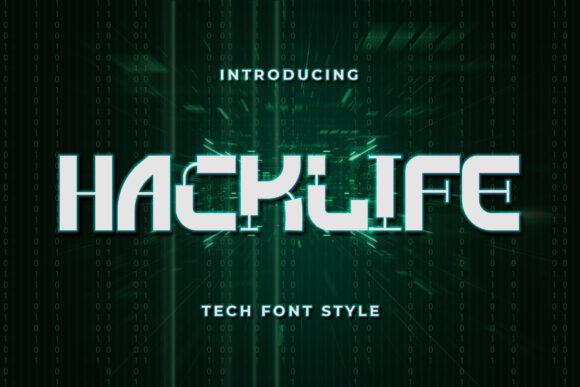
As a web designer, I’m always on the lookout for fonts that can elevate a project without sacrificing clarity. Hacklife has quickly become one of my go-to display fonts for digital projects. Its tech-inspired aesthetic brings a modern, futuristic vibe that works well in hero sections, CTA buttons, and website headers.
First Impressions: A Bold Statement
Testing Hacklife on a new portfolio site felt like adding a sleek, high-tech edge to the design. The font’s sharp lines and subtle geometric elements give it a clean yet edgy look. It’s perfect for sites targeting creative or tech-savvy audiences. I used it for the main heading on the homepage, and it immediately caught the eye without overwhelming the layout.
What stands out is how Hacklife balances style with legibility. Even at smaller sizes, it holds up well on mobile devices. I tested it on a hero section with a dark background and found that it still maintained good contrast and readability. This makes it ideal for landing pages where visual impact matters.
Web Usability: Responsive and Versatile
One of the first things I checked was how Hacklife performed in responsive layouts. On desktop, it looked sharp and confident. On mobile, the font scaled smoothly without losing its character. I used it for a call-to-action button on a product landing page, and it worked beautifully against a light background. The font’s weight and spacing made it easy to read even on smaller screens.
I also tried using it in a blog header. While it’s not meant for long paragraphs, it added a nice touch as a title. Pairing it with a simple sans serif font for the body text created a balanced look. The contrast between the bold display font and the clean body font helped guide the user’s eye through the content.
Design Applications: From Landing Pages to Branding
Hacklife isn’t just for headlines. I used it in a few different contexts, including a coaching website’s banner and a SaaS product landing page. In both cases, it brought a sense of innovation and forward-thinking to the design. For the coaching site, it worked well as a tagline under the main logo, adding a unique flair without being too distracting.
Another use case was a digital brand kit for a boutique online store. Hacklife was part of the typography system, used in the shop’s header and promotional banners. It gave the brand a cohesive, modern identity. When paired with a serif font for product descriptions, it created a visually appealing contrast that felt professional and polished.
Readability Tips for Web Projects
While Hacklife is great for short phrases and titles, it’s not the best choice for long blocks of text. I noticed that when I tried using it in a form label, it became harder to read. That’s something to keep in mind when designing interfaces with accessibility in mind.
For web designers, it’s important to test the font in different scenarios. I recommend using it for headings, buttons, and logos but avoiding it for body copy or dense information. If you’re using it on image overlays or dark backgrounds, make sure there’s enough contrast to maintain readability.
Font Pairing: Finding the Right Balance
When working with Hacklife, pairing it with a simpler font helps maintain visual harmony. I often use a clean sans serif like Open Sans or Montserrat for body text. This creates a clear hierarchy and keeps the design from feeling too busy.
For more editorial-style designs, a serif font like Georgia or Playfair Display can add a refined touch. The combination of Hacklife’s modernity with a classic serif gives the design a timeless yet innovative feel.
If you're creating a digital ad or social media graphic, Hacklife can be a strong focal point. Just be mindful of the surrounding elements—too much text or clutter can dilute its impact.
Final Thoughts: A Smart Choice for Digital Projects
Hacklife is a standout display font that adds a futuristic edge to web design. Whether you're building a portfolio site, a product landing page, or a brand identity, it offers a fresh and modern look. Its versatility across different screen sizes and design contexts makes it a valuable addition to any web designer’s toolkit.
Before using it in client projects or public websites, make sure to check the licensing terms and available styles. Hacklife’s webfont formats and multilingual support make it suitable for a wide range of digital applications, from e-commerce sites to creative portfolios.
Overall, Hacklife is a smart choice for web designers looking to add a bit of tech-inspired flair to their work. It’s stylish, readable, and adaptable—perfect for bringing a modern, dynamic feel to any digital project.