Morse Code Font for Web Design
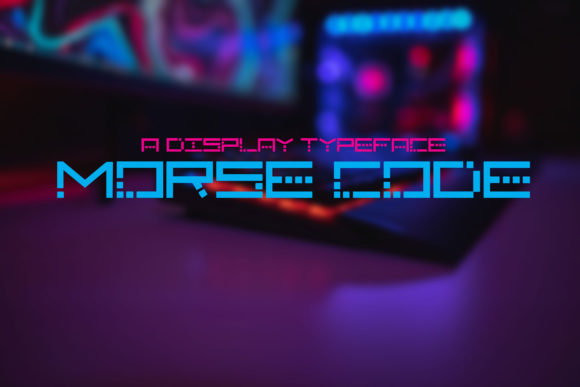
The Morse Code font is a display typeface that blends pixel-style aesthetics with a modern, readable design. Its unique character set and clean lines make it ideal for digital projects where visual impact and clarity matter. Whether you're designing a website, app interface, or social media graphic, this font adds a touch of creativity without sacrificing usability.
As a web designer, I appreciate how Morse Code balances style with functionality. Its pixelated look gives it a nostalgic yet contemporary feel, making it perfect for creative portfolios, tech startups, and brand identities that want to stand out. The font’s structure ensures legibility even at smaller sizes, which is crucial for responsive layouts and mobile-first designs.
Using Morse Code in Web Layouts
Morse Code excels in headers, call-to-action buttons, and hero sections where bold typography makes a strong impression. Its pixel-style appearance can add a playful or retro vibe to landing pages, especially for brands targeting younger audiences or those with a tech-savvy identity. For example, a product landing page could use Morse Code for the main headline, paired with a simple sans serif for body text to maintain readability.
On online stores, Morse Code can be used for banners, promotional tags, or logo text. It works well for boutique brands looking to create a distinct visual language. A coaching website might use the font for section headings, reinforcing a professional yet approachable tone. The font’s versatility allows it to adapt to different contexts without losing its core personality.
Readability and Visual Hierarchy
When using Morse Code, consider how it affects user scanning behavior. Its distinctive shape helps draw attention to key elements like headlines or CTAs, improving visual hierarchy. However, it's best suited for short phrases rather than long blocks of text. Overusing it can reduce readability, especially on small screens or dark backgrounds.
For optimal results, test Morse Code on various devices and screen sizes. On mobile, ensure there's enough spacing between characters to prevent overcrowding. When using it on image overlays or dark backgrounds, choose a light color to maintain contrast and legibility. Pairing it with a complementary font, such as a clean sans serif, can enhance the overall design while keeping the layout balanced.
Font Pairing and Brand Identity
Pairing Morse Code with other fonts can elevate the design of any digital project. A common approach is to use it for headings and a simple sans serif for body copy. This combination creates a clear visual distinction while maintaining a cohesive look. For editorial designs or blog headers, pairing it with a serif font can add sophistication and depth.
When building a brand identity, Morse Code can serve as a signature element. It works well for logos, social media profiles, and marketing materials. Its pixel-style aesthetic also lends itself to packaging design, where it can add a unique touch to product labels or promotional items. The font’s ability to convey both creativity and professionalism makes it a valuable asset for any designer.
Practical Applications for Digital Creators
For creative portfolios, Morse Code can be used to highlight project titles or client names. It adds a personal touch while maintaining a professional appearance. In digital ads, the font can catch the eye of users scrolling through content, making it an effective tool for increasing engagement and click-through rates.
Course sales pages benefit from Morse Code’s bold presence, especially when used for headlines or key selling points. It can help differentiate the page from competitors while reinforcing the brand’s unique voice. For bloggers, using the font in headers or subheadings can create a visually engaging reading experience without overwhelming the audience.
Commercial Use and Licensing
Before using Morse Code in commercial projects, verify the licensing terms. Most premium fonts allow use on websites, apps, and digital templates, but it's important to check for specific restrictions. If you're working on client projects or online stores, ensure the license covers all intended uses to avoid legal issues.
For designers who frequently work with fonts, having access to multiple styles and weights can be beneficial. Morse Code may offer variations such as bold, italic, or condensed versions, which can expand its usability across different design scenarios. Checking for multilingual support is also recommended if the font will be used in international campaigns or diverse audiences.
Ultimately, Morse Code is more than just a decorative font—it's a powerful tool for web designers and digital creators. Its blend of style and readability makes it suitable for a wide range of applications, from branding to user interface design. By understanding its strengths and limitations, you can leverage it to create compelling, visually striking digital experiences that resonate with your audience.