Pencil Scribble: A Creepy Display Font for Creative Projects
It was a quiet afternoon when I opened my design board, ready to start a new branding project. The client wanted something that felt mysterious and a bit edgy, but still professional. I reached for Pencil Scribble, a display font that promises a cool, gloomy touch. As I typed out the first few words, I could already see how it would bring the right vibe to the brand.
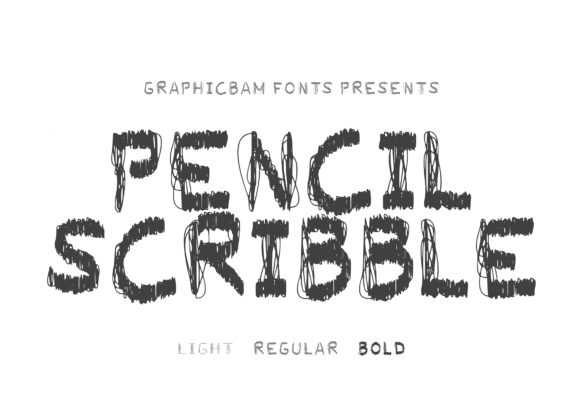
Pencil Scribble is a unique typeface with a hand-drawn aesthetic that feels both organic and unsettling. Its uneven strokes and jagged edges give it a raw, almost chaotic energy. It's not for every project, but when the mood calls for something eerie or unconventional, this font can be a game-changer. The visual characteristics of Pencil Scribble make it stand out in a crowd, which is exactly what you want for a brand looking to make a bold statement.
Testing Pencil Scribble in Real Design Work
I started by sketching a logo concept for a small café that wanted to evoke a sense of mystery. I placed Pencil Scribble on the header of a mockup, and the effect was immediate. The font added an element of surprise, making the brand feel more daring than traditional serif or sans serif fonts. It wasn't just about being creepy—it was about creating a memorable identity that stood out from the usual.
As I moved to the packaging design, I experimented with different placements. On a label sticker, Pencil Scribble looked like it had been scribbled onto the surface with a pencil, giving it a tactile quality. On a business card, it added a subtle edge without overwhelming the design. The font worked best as a headline or accent font, where its character could shine without compromising readability.
When to Use Pencil Scribble
For logo design, Pencil Scribble is ideal when the brand wants to communicate a sense of creativity or nonconformity. It's not suitable for long blocks of text, but as a display font, it can add personality to headings, titles, and key visual elements. In editorial design, it can be used sparingly to highlight important sections or create a thematic feel.
In social media graphics, Pencil Scribble can help set the tone for posts that aim to be attention-grabbing. Whether it's a Halloween promotion or a limited edition product launch, the font adds a layer of intrigue. On a website header, it can serve as a strong visual anchor, drawing users' eyes to the main message.
Practical Considerations for Using Pencil Scribble
Before committing to Pencil Scribble in a full brand system, I always recommend testing it in various contexts. I created a few mockups—on a shop sign, a flyer, and a product box—to see how it performed under different conditions. The font held up well in short-form text, but I noticed that it became less legible when used in larger sizes or with too much surrounding text.
When pairing Pencil Scribble with other fonts, I tend to go for a clean, contrasting style. A simple serif or sans serif font can balance the chaos of Pencil Scribble, creating a harmonious look. For a more dramatic effect, I might pair it with a script font, but only if the overall design allows for such a bold combination.
Font Features and Licensing
Pencil Scribble comes with multiple styles and weights, allowing for flexibility in design applications. I checked the included alternates and ligatures to see how they affected the overall look. Some characters had unique variations that added to the font's character, while others were more standard. The multilingual support was a nice touch, especially for clients who needed the font in different languages.
The file formats provided were compatible with most design software, and the commercial licensing was clear and straightforward. This made it easy to integrate into client projects without worrying about legal issues.
Design Tips for Clients and Creators
If you're working with a client who wants something different, Pencil Scribble can be a great option. But it's important to manage expectations. The font isn't for every brand, and it's best suited for creative or niche markets. I always explain the font's personality and suggest using it as a focal point rather than a primary text font.
For packaging design, I recommend using Pencil Scribble on the main label or tagline. It can also be useful for merchandise like t-shirts or mugs, where a unique look is desired. In digital templates, it can add a distinctive flair to headers or callout sections.
Ultimately, Pencil Scribble is a powerful tool when used thoughtfully. It's not just a font—it's a design choice that can shape the entire identity of a brand. Whether you're working on a small café, a boutique, or a creative studio, this display font has the potential to elevate your work with its spooky yet stylish presence.